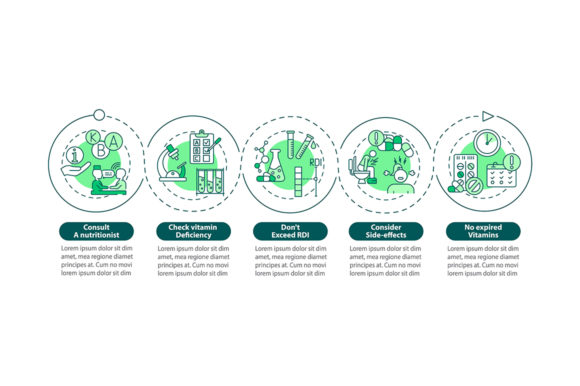
Vitamins Consumption Tips Infographic for Embroidery Projects
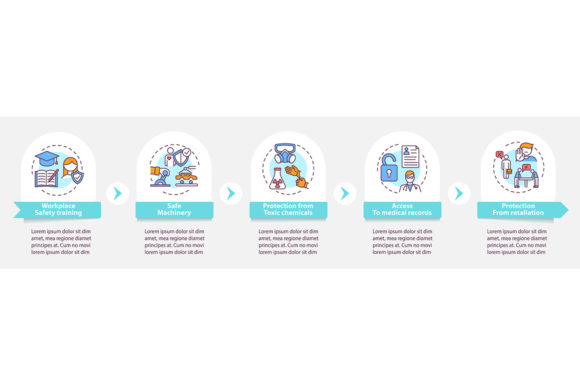
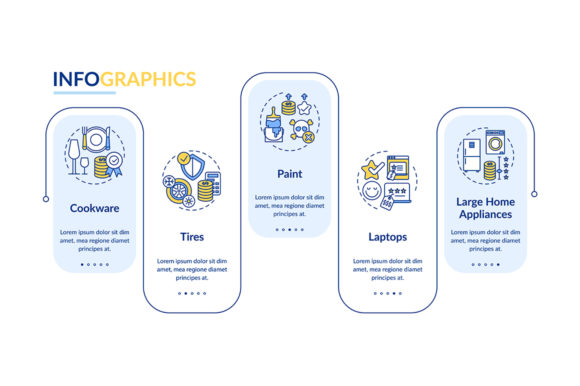
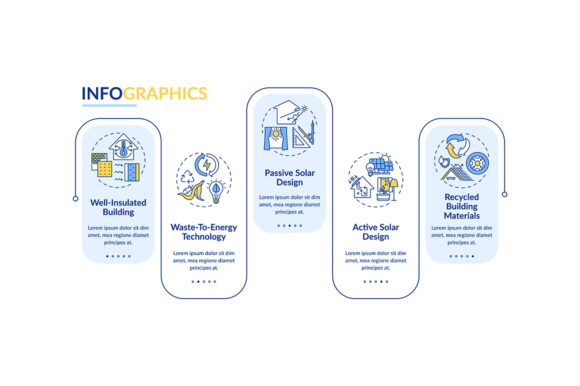
As an experienced embroidery designer and product reviewer, I often find myself evaluating how well a digital design translates into real-world stitch results. When I first opened the Vitamins Consumption Tips Infographic, it immediately caught my attention with its clean structure and informative layout. It’s not just another decorative motif; this one feels like a conversation starter wrapped in a visual timeline. The five-step process chart and linear icons give it a modern, educational tone that could work beautifully on custom apparel or gift items.
A Design That Speaks Clearly to Craft Audiences
The Vitamins Consumption Tips Infographic is built with clarity in mind. Its vector-based composition means it retains sharpness even when resized, which is crucial for machine embroidery designs that might need adjusting for different garment sizes. The infographic layout isn’t cluttered, but it does have enough detail to feel professional—something that stands out in handmade products without overwhelming the eye.
Visually, it has a friendly yet authoritative vibe. The use of soft curves and structured elements suggests a blend of science and approachability, making it ideal for projects aimed at health-conscious buyers or those interested in wellness themes. This kind of mood fits well with tote bag designs, sweatshirt embroidery, or even baby clothes where you want to communicate care and thoughtfulness through visuals.
Real-World Application: A Tote Bag for a Wellness Store
I recently used the Vitamins Consumption Tips Infographic in a project for a local wellness boutique. They wanted a custom embroidered tote bag that could be given away as a promotional item during flu season. The design needed to be both informative and stylish, and this template delivered exactly that.
After testing it on scrap fabric, I was impressed by how the 5 steps appeared clearly stitched. The linear icons were simple enough to render cleanly but still had enough character to remain engaging. The flow of the design felt natural on the flat surface of the tote, and the placement wasn’t too large, which helped keep the overall look balanced and professional.
However, I noticed that some of the smaller details near the edges of the timeline began to lose their definition on stretchy cotton blends. It made me realize that while the design works great on stable fabrics, it requires more attention when applied to less predictable materials.
Where This Design Shines
- Custom Apparel: Especially on long-sleeve sweatshirts or oversized t-shirts, the infographic can serve as a subtle focal point. It doesn’t scream for attention but still holds its own with thoughtful stitching.
- Baby Clothes & Nursery Decor: For parents who appreciate a touch of education in their décor, this design adds value beyond aesthetics. Just make sure to adjust stitch density for delicate fabrics.
- Holiday Gifts: With its structured and informative style, it’s perfect for embroidered kitchen towels or pillow covers. Think “healthy holiday” themes or New Year resolutions gifts.
- Etsy Listings and Boutique Merchandise: As a digital embroidery file, it can be sold as part of a bundle with printable mockups or used in your shop for personalized products like aprons or cap patches.
- Commercial Embroidery: If you’re embroidering multiple units for resale, this design offers consistency across batches. Just ensure thread colors are consistent between machines and operators.
Design Notes for Optimal Stitching
Before committing to a full production run, I always recommend testing the Vitamins Consumption Tips Infographic on scrap fabric. Here’s what I looked for:
- Does the stitch density allow for clear presentation of all five steps?
- Are the thread colors contrasting enough against the fabric background? (I tested light and dark tones.)
- Is the hoop size manageable for the design’s complexity? Larger sections may require bigger hoops to avoid distortion.
- How do the small text and icons hold up after several passes of the needle? On textured or thin fabrics, they can sometimes get lost in the fray.
One thing I noticed is that the timeline chart benefits from a light stabilizer to maintain crisp lines, especially if you're using fill stitches in the background. Also, the design includes some decorative accents that can easily be removed or adjusted depending on the final product’s purpose.
When to Use Caution
While the Vitamins Consumption Tips Infographic is versatile, there are situations where it needs careful handling:
- Small Hoop Sizes: The design contains several detailed corners and segments that may not fit neatly within tight spaces. Consider cropping or simplifying if needed.
- Textured or Stretchy Fabrics: These can distort the linear icons or cause tiny lettering to become illegible. Stick to smooth, stable materials for best results.
- Dark Fabric Backgrounds: Some thread colors may appear muted or washed out. Always test the design in black and white before choosing colors to ensure visibility.
- Layered Garments: If stitching onto a patch or layered piece, the design’s depth may create shadow effects that alter its appearance. Test stitch-through techniques carefully.
For hobbyists and makers, it's important to remember that while the design is visually strong, it’s not suited for every surface or scale. Treat it like any other data visualization graphic—know where it will perform best and where it needs tweaking.
Boosting Product Value and Customer Trust
Using the Vitamins Consumption Tips Infographic elevates the perceived value of a finished product. Whether it's a personalized gift or a commercial item, customers notice when a design is intentional and well-executed. This infographic communicates professionalism and brand alignment—especially for shops focused on health, fitness, or lifestyle branding.
It also helps in buyer engagement. The visual personality of the design invites questions and interaction. For Etsy sellers or craft fair vendors, this kind of curiosity can lead to longer conversations and higher conversion rates. People don’t just buy what looks good—they buy what makes sense.
Practical Designer Takeaways
Here’s how I’d summarize the experience of working with the Vitamins Consumption Tips Infographic in real embroidery projects:
- It’s a great choice for handmade products that aim to educate or inform while maintaining style.
- Its structured layout works well with satin stitch outlines and minimal fill stitch backgrounds, allowing the message to stay front and center.
- For commercial embroidery, double-check the licensing terms to ensure you can sell finished items or include it in digital product bundles.
- Consider pairing it with printable mockups to showcase how it looks on different garments and surfaces.
- If you're selling design assets, highlight how this infographic brings practicality to creative projects.
In short, this is a design that thinks beyond decoration. It’s meant to tell a story through stitch art, and that’s something I always appreciate in an embroidery file. Just take the time to understand its strengths and limitations before applying it to your next embroidery project.