Green House Vector Infographic Template for Creative Projects
As a professional designer who frequently works with branding, packaging, and marketing visuals for small businesses and creative entrepreneurs, I always approach new design assets with a critical eye. When I first opened the Green House Vector Infographic Template, it immediately caught my attention with its clean lines, organic shapes, and thoughtful use of greenery-themed icons. This is not just another generic infographic—it’s a versatile graphic design asset that could easily elevate a project focused on sustainability, eco-consciousness, or wellness.
Visual Mood and Style at First Glance
The Green House Vector Infographic Template brings a fresh, modern aesthetic to any project. Its color palette leans into earthy greens, soft whites, and muted pastels—perfect for clients in the handmade, organic product, or environmental sectors. The linear icon style gives it a streamlined feel while still maintaining a hand-drawn warmth. It's the kind of template that feels both professional and approachable, which makes it ideal for audiences ranging from eco-friendly startups to educational institutions discussing climate change.
I can see this template fitting naturally into a brand identity refresh for a local farm-to-table restaurant or a promotional campaign for a sustainable fashion line. Its subtle textures and leaf motifs create a cohesive visual mood without overwhelming the message. That balance is key when working on client projects where the goal is to communicate clearly but also make an emotional impact.
Real-World Design Applications
This infographic template isn’t just for presentations. As someone who regularly designs for print-on-demand platforms and Etsy shops, I appreciate how adaptable it is. For example, using it as a background element in product mockups for eco-friendly household goods adds context and reinforces the theme of sustainability. In editorial design, such as blog posts or newsletters about environmental protection, it helps break up text and guide the reader through complex data in a visually pleasing way.
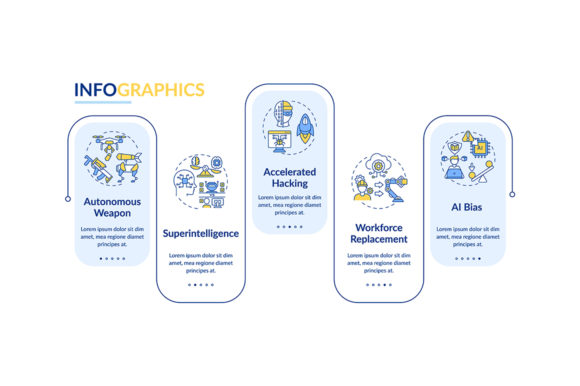
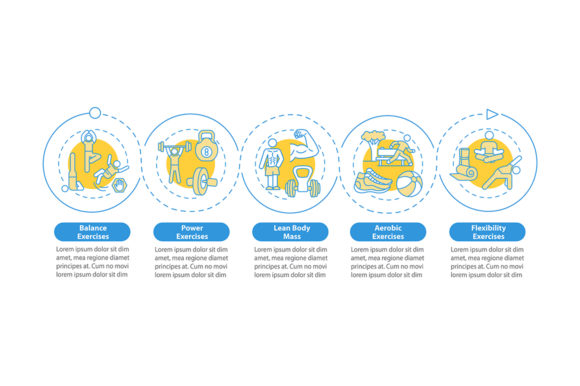
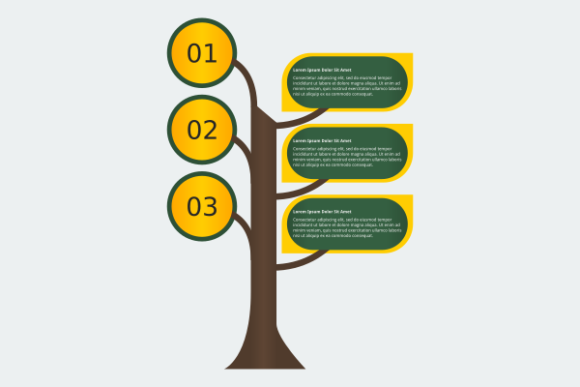
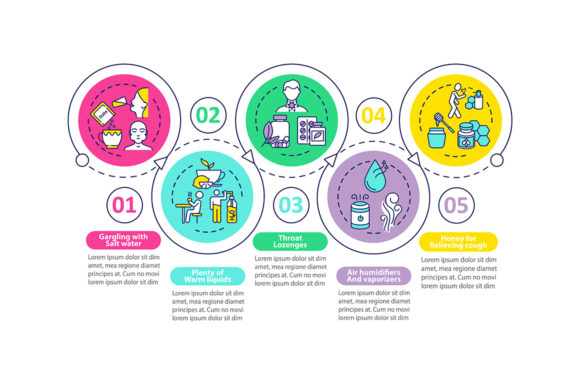
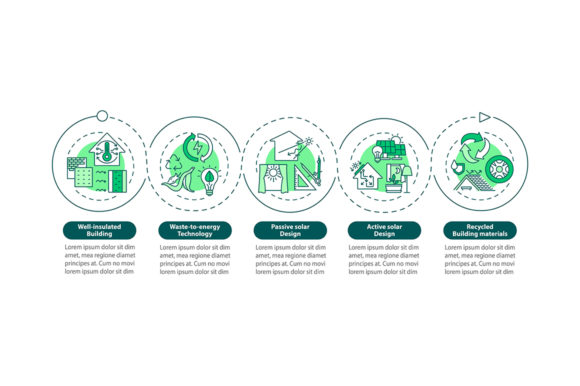
In terms of digital product creation, I tested it on social media graphics for a seasonal campaign promoting reusable water bottles. The 5-step workflow layout worked exceptionally well for outlining a “reduce plastic” initiative in a clear, digestible format. The timeline chart was perfect for showing a process—from planting a tree to harvesting fruits—while keeping the tone light and engaging.
Where It Shines
- Large Layout Areas: The template’s elements scale beautifully for posters, flyers, and hero banners. Its layered components allow for depth without cluttering the space.
- Product Mockups: Ideal for adding visual interest to packaging design or website banners for green-focused products like planters, biodegradable materials, or organic skincare lines.
- Printable Designs: Works great for wall art, stickers, and merchandise like tote bags or mugs. The vector nature ensures crisp printing even at high resolution.
- Themed Collections: Especially useful in creating supporting brand elements for campaigns around Earth Day, zero-waste lifestyles, or botanical-inspired aesthetics.
- Editorial and Web Design: Enhances blog headers, infographics for landing pages, or content blocks on websites that want to maintain a natural, clean look.
Where to Use with Caution
- Small Sizes: While the ZIP file contains scalable vectors, some details may become less legible when shrunk down for small-scale uses like buttons or mini-icons.
- Crowded Layouts: If you're already using multiple design elements, be careful not to over-layer the infographic. Its charm lies in simplicity and clarity.
- Low-Contrast Backgrounds: Some of the lighter icons might fade if placed against similarly toned backgrounds. Always test variations before finalizing your design.
- Professional Corporate Materials: The template has a more illustrative and thematic feel compared to sterile corporate styles. Best suited for lifestyle brands, NGOs, or boutique-level businesses.
Impact on Readability and Brand Consistency
One of the biggest concerns when integrating a new design asset is how it affects readability and hierarchy. The Green House Vector Infographic Template does a solid job here. The 5 steps are clearly labeled and structured in a way that guides the viewer’s eye smoothly from one point to the next. However, pairing it with the right typography is crucial. I found that it works best with sans serif fonts for a modern, clean look, though a gentle script font can add a touch of personality if the brand voice allows it.
From a brand consistency standpoint, the template supports a cohesive visual language when used across multiple touchpoints. Whether it’s a poster for a local event or a digital ad for an online product launch, the same green house motif can reinforce the theme of growth, renewal, and environmental care. This is especially valuable for small business branding where every visual must align with the core message.
Commercial Use Considerations
Before using any design asset for a real client project, I always check the commercial licensing terms. The Green House Vector Infographic Template comes with a standard commercial license, making it suitable for branded materials, digital storefronts, and even sublimation designs. That said, it’s important to confirm the exact permissions included in the purchase, particularly if you’re planning to resell the final product or integrate it into a design bundle.
File formats are also a big plus. The ZIP file includes SVG and PNG versions, allowing for full editability and transparency where needed. I tested it in Adobe Illustrator and Canva, and both handled the files well. The PNGs have good transparency settings, so they can be dropped into most digital design workflows seamlessly.
Design Workflow Integration
When building out a Cricut project for a handmade brand’s sticker line, I used the linear icons to outline a step-by-step tutorial for planting herbs at home. The template didn’t distract from the instructional text and actually helped improve engagement by making each step feel tangible and relatable.
For web design and digital ads, I overlaid the infographic on a white background and paired it with a bold display font. The result was a striking visual that felt both informative and inviting. It’s a great tool for marketers looking to create compelling content for Pinterest pins or Instagram stories—where visual storytelling matters most.
Testing and Final Thoughts
Here are some practical designer notes based on my testing:
- Test it in black and white to ensure it still holds its form and function without color.
- Check contrast on both light and dark backgrounds to find the most readable configuration.
- Preview it at various sizes to see how it adapts—especially for mobile displays or printed stickers.
- Place it on real product mockups (like t-shirts or mugs) to assess how it looks in context.
- Review print quality for physical outputs like posters or packaging labels.
- Compare it with different font styles to determine the best match for your project’s tone.
- Confirm commercial license coverage for resale or redistribution scenarios.
Overall, the Green House Vector Infographic Template is a strong addition to any designer’s toolkit, especially those working in the creative marketplace or with eco-conscious brands. It doesn’t scream for attention, yet it commands it subtly through its design language. What stands out is how it enhances emotional appeal and audience engagement without compromising professionalism. It’s not flashy, but it’s functional—exactly what a seasoned designer needs when crafting something for a real-world client.
Why It Works for Small Business and Creative Brands
Handmade businesses, in particular, will benefit from this template. It supports the kind of visual storytelling that resonates with niche audiences—think of a boutique selling natural cleaning products using the infographic to explain their 5-step production process. The template adds value by helping them visualize their journey from sourcing ingredients to final packaging, all in a cohesive and stylish format.
For digital sellers and print-on-demand entrepreneurs, the Green House Vector Infographic Template offers a ready-made solution for creating themed collections. Pair it with matching illustrations or clipart to build a complete design system that customers can instantly recognize and trust. It contributes to visual trust by offering a polished, intentional look that suggests expertise and thoughtfulness.
Its flexibility extends to brand identity work too. I’ve seen similar templates fail when applied to logos or product labels, but this one avoids that pitfall by keeping its style consistent yet unobtrusive. It’s perfect as a supporting graphic rather than a central logo element—helping to build a visual narrative that complements other brand assets without overshadowing them.
A Designer’s Takeaway
If you're looking for a design asset that bridges the gap between informative and inspirational, the Green House Vector Infographic Template is worth considering. It’s not a one-size-fits-all solution, but for the right project—a local event promoting sustainability, a brand rebranding around eco-values, or a collection of printable wall art with a botanical twist—it can be a game-changer.
What sets it apart is how it balances data visualization with a warm, inviting visual style. It tells a story while delivering information, which is exactly what today’s audiences expect from marketing visuals and editorial content alike. Just remember to evaluate it within your specific project context and tweak it to fit your brand’s unique needs.
With the right application, this infographic template can help your client stand out in a crowded market—not just through words, but through visuals that breathe life into their message.