★★★★☆4.9(362 reviews)
Disability Insurance Claim Information: A Designer’s Perspective
First Impressions and Visual Personality
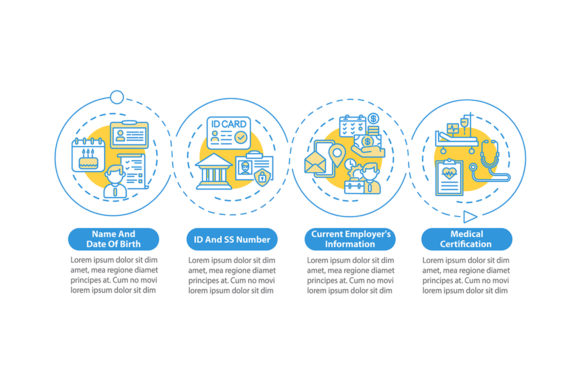
The moment I opened the Disability Insurance Claim Information vector infographic, it was clear this design is structured for clarity and purpose. Its clean lines, organized layout, and professional tone immediately suggest a business or informational use case rather than something whimsical or casual. As an embroidery designer who often works with small shop owners and Etsy sellers, I appreciate how the four-step workflow layout translates well into visual storytelling—perfect for explaining complex processes in a simplified format.Real-World Application and Use Cases
I imagine using the Disability Insurance Claim Information as part of a custom embroidered tote bag aimed at professionals or HR departments. Picture a small business owner carrying a sleek linen bag with this design subtly stitched along one side. It conveys professionalism without being overwhelming, making it a great fit for office gifts or branded merchandise for a company’s wellness program. Another potential application is on embroidered patches for employee appreciation packages. If your client runs a consulting firm or offers employer-sponsored insurance, having a patch that visually explains the claim process can serve as both a practical tool and a branded item. The same goes for sweatshirt embroidery in a corporate setting—this design could work well on hoodies given out during onboarding sessions. For more creative applications, consider embedding the design within a larger handmade product, like a decorative apron for a workshop or a kitchen towel for a new entrepreneur’s home office. However, in such cases, you might want to scale down the elements and focus on key sections to avoid clutter.Design Performance Across Embroidery Projects
When evaluating how this design performs in real-life embroidery situations, several factors come into play. The stitch density is moderate, which means it should handle most fabric types reasonably well—especially medium-weight cotton blends used for tote bags or sweatshirts. In terms of thread color contrast, the design includes multiple hues, so it’s important to test different combinations on your target fabric before finalizing the project. For instance, if you’re planning to stitch it onto a dark background, you’ll need to ensure that the colors pop and remain legible after washing. This infographic also features detailed corners and linear elements that require attention when digitizing. While it’s not overly intricate, some parts may benefit from using satiny edges to maintain definition. That said, it’s not the best candidate for very small hoop sizes unless you significantly simplify or isolate specific sections.Where Caution Is Advised
There are a few areas where I recommend using caution with the Disability Insurance Claim Information design:- Small hoop sizes: The design contains enough detail to get lost in tight spaces. Consider isolating just one step of the process for smaller items like patches or caps.
- Textured fabrics: If you're stitching onto canvas, burlap, or other rough materials, the fine details may not translate clearly. Stick to smoother surfaces for better results.
- Thin or stretchy fabrics: These can cause distortion or breakage in dense stitch areas. Always use proper stabilizer and consider reducing stitch density slightly if needed.
- Detailed corners and tiny lettering: These will require careful inspection after stitching. A magnifying light or close-up camera view can help catch imperfections early.
- Frequent washing: Items like tea towels or aprons may wear the design over time. Reinforcing the design with backing material or using durable thread can help preserve its look.
Visual Appeal and Customer Perception
From a visual standpoint, the Disability Insurance Claim Information brings a sense of order and reliability to any embroidered product. Customers tend to associate clear layouts with trustworthiness, especially in designs related to financial or health topics. This makes the design particularly valuable for commercial embroidery projects targeting clients in service industries or those offering educational resources.Thread Colors and Fabric Compatibility
I recommend experimenting with thread colors to match your brand palette. Since the design uses a limited set of thread colors, it’s easy to customize. But keep in mind that bright, high-contrast colors will enhance visibility, especially on lighter backgrounds. If you plan to use this design on dark fabric, make sure the white or light-colored stitches are prominent enough to stand out. You might even consider adding a running stitch outline around key elements for extra clarity.Professional Value and Brand Consistency
One of the strengths of the Disability Insurance Claim Information is how it reinforces professionalism. Whether you're creating a printable mockup for digital product previews or producing a physical finished product for your craft business, this design adds a layer of sophistication and helpful content. It can also serve as a consistent visual asset across multiple design assets—like including it in a series of educational patches or branded totes. This helps build brand recognition and ensures your customers know what to expect from your products.Designer Notes for Real Project Use
Here are my top tips for working with the Disability Insurance Claim Information in real embroidery projects:- Test the design on scrap fabric first: Especially if you're planning to sell the finished product or use it in commercial settings.
- Check thread color contrast: Make sure the colors chosen are visible against the fabric you're using.
- Review stitch density: Dense stitch areas may cause puckering or stiffness, so adjust accordingly based on fabric type.
- Confirm hoop size requirements: Avoid forcing the design into undersized hoops, which can lead to misalignment or poor stitch quality.
- Inspect small details: Zoom in on the design to ensure everything is sharp and won’t distort during stitching.
- Test it in black and white mockups: This will help determine how the design holds up without color, useful for grayscale prints or monochrome embroidery.
- Compare light and dark fabric backgrounds: See which setting enhances the design best and suits your intended audience.
- Use proper stabilizer: Especially on delicate or stretchy materials to prevent warping or stitch skipping.
- Verify licensing: Before selling any digital embroidery file or finished product, confirm whether the original graphic allows for commercial use.
Final Thoughts for Embroidery Creators
The Disability Insurance Claim Information isn’t just another pretty infographic—it’s a functional design with real-world value. When used correctly, it can elevate your custom apparel, add educational weight to your handmade product, and even improve customer engagement through thoughtful, informative visuals. But remember, this design is most effective when matched with the right context. It doesn’t scream “holiday gift” or “baby shower favorite,” but it does shine in scenarios where clarity and structure are key. Think of it as a quiet but powerful addition to your portfolio of machine embroidery designs. As always, take the time to understand your materials and audience before committing to a full run. With the right approach, the Disability Insurance Claim Information can become a trusted part of your design toolkit—especially for niche markets or craft business owners looking to add meaningful graphics to their small shop product lineup.
⬇️ Download Free
Free download · No sign-up required
🔗 You Might Also Like
Infographics
As a professional graphic designer, I’m always on the lookout for design assets ...
Infographics
As an experienced embroidery designer and product reviewer, I always look for gr...
Infographics
As a seasoned crafter and handmade business designer, I always look for graphic ...
Infographics
Best Use Cases: Large layout areas (landing pages, posters) Hero graphics for we...
Infographics
First Impressions and Design Personality When I first opened the Loan Refinancin...
