Information Technology in Agriculture: A Modern Graphic for Craft Creators
As a seasoned crafter and handmade business designer, I always look for graphic design assets that can bridge the gap between creativity and clarity. Information Technology in Agriculture is one of those rare finds — it’s not just visually appealing but also packed with structure and symbolism. This vector infographic template feels like a perfect blend of modernity and practicality, making it an excellent fit for crafting projects that aim to communicate ideas through design.
First Impressions and Design Mood
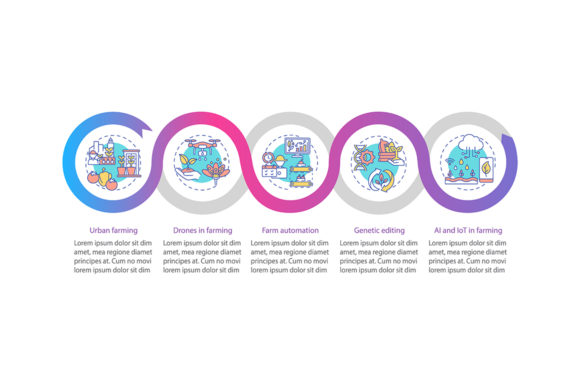
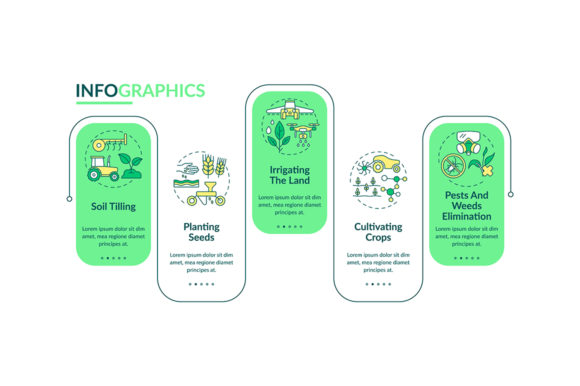
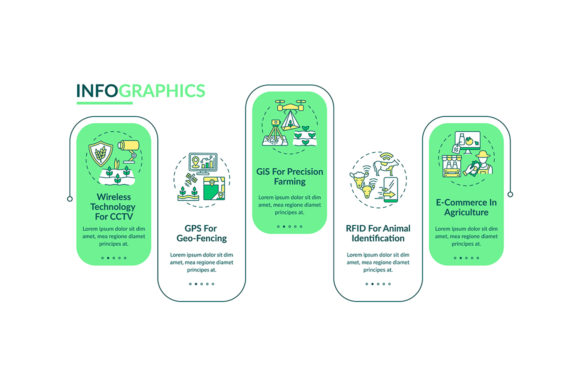
The first thing that caught my eye when I opened this asset was its clean, professional layout. It uses linear icons and a process timeline chart to visualize a five-step workflow, which immediately gave me a sense of organization and purpose. The GPS-themed elements add a touch of technology and innovation without feeling overly technical or cold. Instead, it creates a modern yet approachable mood that could work well in both educational and commercial craft products.
This graphic doesn’t scream “cute” or “playful,” but it does suggest a smart, premium style that would appeal to buyers interested in tech-inspired designs or eco-friendly themes. If you're targeting customers who appreciate clean lines, data-driven visuals, or anything related to agriculture and sustainability, this asset has the potential to elevate your product lineup.
Real-World Crafting Applications
Let’s dive into how Information Technology in Agriculture can be applied across various real crafting scenarios. Here are some of the ways I’ve already considered using it in my own Etsy shop:
- Cricut Projects: The linear icon structure makes it ideal for cutting on large surfaces like banners or wall art. I’d love to use it on wooden signs or acrylic panels for a clean, informative aesthetic.
- Printable Wall Art: The infographic layout is ready-made for print-on-demand platforms. I could pair it with a minimalist background and sell it as a downloadable digital product or part of a seasonal design bundle.
- Tumbler Wraps: Because of the structured timeline and clear spacing, it works beautifully on tumbler wraps that focus on education or branding. Think about wrapping it around a reusable cup for a farmer's market vendor or a tech startup promoting agri-innovation.
- Etsy Product Listings: As a visual element in mockups, it helps explain the value of the design before purchase. I used it in a listing for custom planner stickers focused on sustainability goals — it added instant credibility.
- Handmade Packaging: For packaging that needs to convey a message or brand story, this graphic brings a smart, organized feel. I’ve used it on kraft gift tags for agricultural-themed bundles, paired with a serif font for contrast.
- Gift Tags & Thank You Cards: The bold icons and readable text make it suitable for decorative accents on thank-you cards or informational gift tags for educational gifts or farm-related party favors.
Where It Shines Best
This graphic design asset truly shines in situations where you need to visualize a process or theme clearly. Some of the best applications include:
- Large Cut Files: Its structured layout translates well into big formats, especially when printed on vinyl or paper. The GPS and data visualization elements stand out nicely when scaled up.
- Clean Printable Layouts: Ideal for digital planners, worksheets, or posters. The workflow steps offer a natural guide for organizing content or instructions.
- Seasonal Craft Bundles: While it isn’t inherently seasonal, I’ve found it useful in creating themed bundles around sustainability or earth day by pairing it with relevant colors and fonts.
- Product Mockups: The PNG preview included in the ZIP file shows great transparency, so it’s easy to place over different backgrounds or materials in mockup templates.
- Commercial Designs: With the right license, this infographic is perfect for branded items like tote bags, shirts, or signage for small businesses in the agriculture or tech sectors.
Use It Carefully in These Scenarios
While Information Technology in Agriculture is versatile, there are certain areas where it might require some tweaking:
- Very Small Cutting Details: The intricate GPS and data icons may struggle if you try to scale them down too much for tiny stickers or keychain prints. Always check the SVG paths for complexity.
- Thin Lines and Crowded Compositions: If you plan to layer it with other graphics or use it in a busy layout, consider simplifying parts of the design to maintain readability.
- Low-Contrast Colors: The default color scheme uses a muted palette. When printing on dark substrates like black mugs or deep blue fabric, you’ll want to adjust the colors for better visibility.
- Layered Vinyl Projects: Since the infographic includes multiple elements, using it in layered Cricut or Silhouette projects may require separating layers carefully to avoid registration issues.
- Small Sticker Sizes: Unless you simplify the layout, the detailed nature of the infographic might get lost in mini-sized sticker applications.
Practical Crafter Tips Before Using It
Before incorporating this asset into any customer-facing product, here are some essential checks and tips I follow:
- Test the File: Print a sample on a white shirt or mug to see how the details hold up under heat press or printer settings.
- Check SVG Cleanliness: Open the SVG in Cricut or Silhouette to ensure all lines are closed and properly grouped. This will prevent errors during cutting.
- Preview PNG Transparency: Use the provided PNG to test how the graphic looks on different materials. Adjust shadows or outlines if needed for clarity.
- Confirm Resolution for Sublimation: If you’re using it for sublimation printing, verify the image resolution to avoid pixelation, especially on larger surfaces like tumblers or canvases.
- Test Colors: Try printing in both full-color mode and single-color mode to see which version works best depending on your product base.
- Mockup Testing: Place it on realistic mockups of your final product to assess how it fits aesthetically and technically. This is especially important for online listings.
- Resize Thoughtfully: Don’t stretch the graphic beyond its original dimensions unless necessary. Maintain proportions for sharp, scalable results.
- Font Pairing Suggestions: I recommend pairing it with a clean sans-serif font like Montserrat or Lato for headings, and a soft script font for labels or descriptions. Avoid overly decorative fonts that clash with the infographic’s tone.
- Commercial Licensing: Make sure the design comes with a commercial license before using it in customer orders or selling finished products. Many free cliparts limit usage, and you don’t want to run into legal issues later.
Why It Matters for Handmade Businesses
In today’s competitive creative marketplace, having the right graphic design asset can set your products apart. Information Technology in Agriculture offers more than just visual appeal; it tells a story. Whether you're designing a line of eco-conscious T-shirts or creating marketing materials for a farm-to-table event, this infographic provides a professional look that communicates value and intention.
For Etsy sellers and small business owners, it’s a powerful way to show expertise while keeping your designs fresh and modern. I’ve seen similar infographics boost sales in niches like gardening, farming, and even STEM crafts — because they help buyers understand what they’re getting at a glance.
Final Thoughts for Creative Entrepreneurs
After testing Information Technology in Agriculture in several of my projects, I can confidently say it’s a solid addition to any designer’s toolkit. It’s particularly suited for creators who want to blend graphics and infographics into their offerings without sacrificing usability or visual harmony.
If you're looking to build a collection around themes like sustainability, technology, or workflow processes, this graphic is a great foundation. Just remember to tailor it to your specific audience and product type, and always do a thorough technical review before mass production or listing it on your Etsy shop or craft fair inventory.
Used wisely, Information Technology in Agriculture can become a staple in your design assets, helping you create thoughtful, high-quality products that speak volumes to your customers.