Covid Stickers: A Designer’s Take on Real-World Use
As an experienced embroidery designer and product reviewer, I’ve seen my fair share of digital graphics that promise the world but fall flat in real-world applications. That’s why when I came across Covid Stickers. Coronavirus Stickers., I took a step back to evaluate not just how they look on screen, but how they might behave once stitched onto fabric or used as part of a handmade product line. Here's my honest take from a practical design perspective.
First Impressions: Mood and Design Language
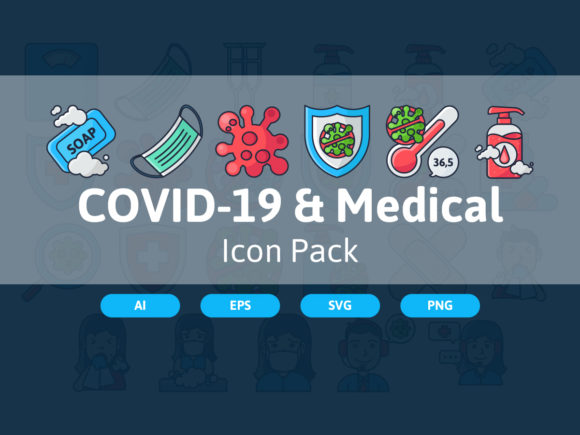
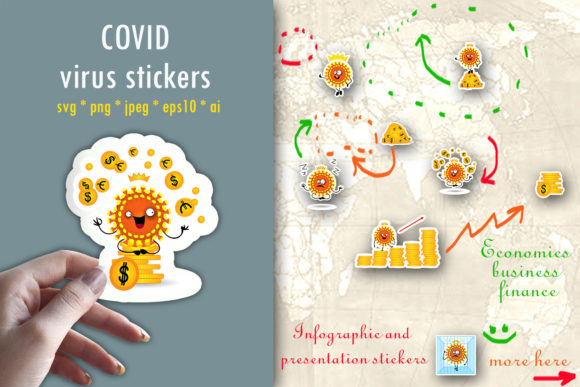
The first thing that struck me about Covid Stickers. Coronavirus Stickers. is their visual tone — it leans more into a modern infographic style than a traditional embroidery motif. The shapes are clean, with bold outlines and minimalistic details, which suggests they were likely created for digital use before being adapted for embroidery. This isn’t inherently bad, but it does mean there’s a learning curve for those wanting to apply them directly to physical products like tote bags or sweatshirts.
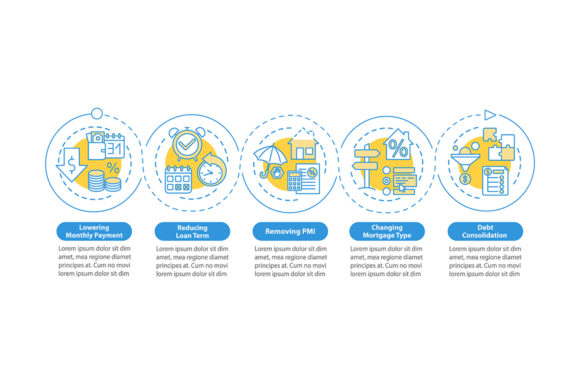
What I appreciate is how versatile the set feels. The themes touch on topics like economic crisis and finance, making them potentially useful for craft business owners who want to create themed merchandise or educational content. However, for those aiming to make something wearable or tactile, the design needs thoughtful adaptation.
Visual Personality and Layout
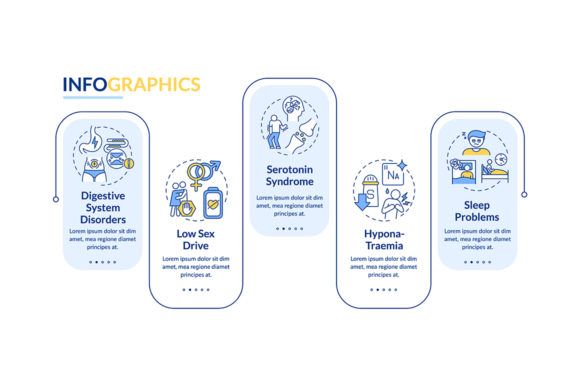
These stickers have a clear identity — they’re informative, slightly humorous, and designed to communicate complex ideas through simple visuals. The layout is organized and modular, which works well for printable mockups or layered design assets. But in terms of embroidery, this means you’ll need to consider how these elements translate into stitch-friendly formats.
Some designs include tiny icons or lettering, which could be tricky if not properly scaled up. For instance, using one of these stickers as an embroidered patch would require careful attention to stitch density and thread colors to maintain clarity without overwhelming the fabric.
Real-Life Embroidery Applications
Let’s imagine a scenario: You're preparing custom embroidered tote bags for a small shop promoting financial literacy during these challenging times. You pick out one of the Covid Stickers as a central motif. It looks great on your computer, but will it hold up after stitching?
- Custom Apparel: These designs can work well for sweatshirts or t-shirts if you simplify the layout. Focus on one or two key elements per garment to avoid clutter.
- Tote Bag Design: The larger format of a tote bag gives you room to play with placement and scale. Just ensure the stitch count doesn’t become too dense, especially near the handles where fabric stretches.
- Baby Clothes and Nursery Decor: While some designs may be appropriate for older children or adults, the subject matter (economic crisis, coronavirus) makes them less ideal for baby items unless you're going for a very specific, satirical theme.
- Holiday Gifts and Personalized Products: If you're thinking of holiday embroidery, these stickers may not fit the warm, celebratory vibe. But they could work well for personalized gifts related to current events or social commentary.
- Commercial Embroidery Projects: The set has potential for commercial use, especially if you're creating digital embroidery files for resale. However, it's crucial to confirm licensing rights before selling finished items or digital assets.
Where to Use with Caution
While Covid Stickers. Coronavirus Stickers. offer a lot of creative flexibility, there are certain contexts where they may not perform optimally:
- Small Hoop Sizes: Many of the designs contain multiple elements or fine lines. If you plan to embroider them in a small hoop, like for a cap or hat, you'll need to reduce the size carefully to keep the message intact.
- Textured or Thin Fabrics: The detail-heavy nature of some stickers may struggle on fabrics like flannel or thin cotton. The texture can cause stitches to lose definition or distort the image.
- Stretchy Materials: Stretchy fabrics such as spandex blends or knits can warp the design if the stitch density isn't adjusted accordingly.
- Dark Backgrounds: Thread color contrast becomes critical here. On black or dark-colored garments, some elements may get lost unless you use light thread shades or add white outlines.
- Curved Surfaces: When applying the design to curved surfaces like caps or aprons, always test the layout in a 3D space. Elements may shift or appear distorted after resizing and repositioning.
Design Impact on Product Value and Customer Perception
Using Covid Stickers in your handmade product lineup can elevate its perceived value by adding a contemporary, relevant theme. Whether you're making a sweatshirt embroidery piece for a boutique or a custom apparel order for a client, the right sticker can serve as a conversation starter.
However, the visual appeal hinges on how well the design translates to fabric. If you rush the process, customers may notice inconsistencies in stitching or poor thread visibility, which can affect product trust and brand consistency. As an Etsy seller, maintaining a high-quality, professional appearance is essential for repeat buyers and positive reviews.
For holiday embroidery or gift-related projects, these stickers might not feel festive enough on their own. But paired with other motifs or stylized text, they can add a unique twist to personalized gifts or small shop merchandise.
Embroidery Designer Notes
Here are some tips for effectively using Covid Stickers. Coronavirus Stickers. in your embroidery workflow:
- Test on Scrap Fabric First: Always do a trial run before moving to final materials. This helps you catch issues with stitch flow or tension early.
- Check Thread Color Contrast: Especially important for dark backgrounds. Consider converting the design to grayscale to see how it will appear in different lighting conditions.
- Review Stitch Density: Dense stitch areas can lead to puckering or stiffness. Adjust as needed depending on the fabric type and desired softness.
- Confirm Hoop Size: If the original file doesn’t specify a recommended hoop size, start with a larger one and scale down only if necessary.
- Inspect Small Details: Tiny icons or lettering can disappear if not enhanced with additional satin or running stitches for visibility.
- Use Proper Stabilizer: A good stabilizer ensures the design holds shape and prevents distortion, particularly on stretchier or thinner materials.
- Test Black and White Mockups: This helps determine whether the design relies too heavily on color for recognition.
- Compare Light and Dark Backgrounds: Some elements may need to be reversed or outlined differently depending on the fabric color.
- Check Licensing Before Selling: Since this is a Freebies category product under Graphics, verify whether it allows for commercial use or if attribution is required.
Final Thoughts on Practical Use
Overall, Covid Stickers. Coronavirus Stickers. are a solid addition to any designer’s library, particularly if you're working within the realms of infographics, digital prints, or Canva-based presentations. But for embroidery purposes, they demand a bit more finesse and preparation than a basic logo or icon set.
If you're an embroidery project enthusiast or a craft business owner looking to stay current, these stickers can add depth and relevance to your collection. They’re best suited for finished products that don’t rely solely on intricate stitching — think of them as statement pieces rather than delicate details.
Remember, every machine embroidery design should be tested and refined for your intended application. With a little tweaking, Covid Stickers can become valuable design assets that speak to today’s context while still delivering quality results on fabric.