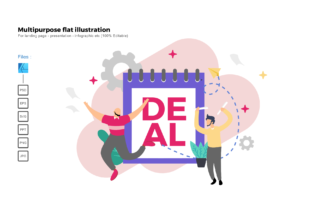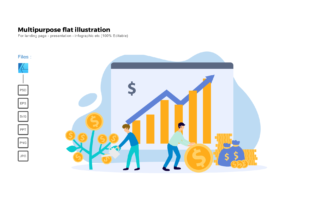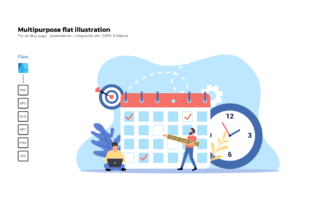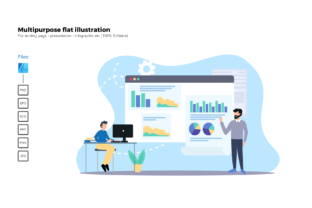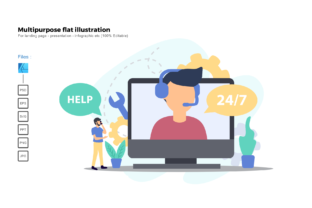
Flat Illustration Customer Support for Embroidery Projects
When I first opened the Flat Illustration Customer Support design in my embroidery software, I knew it had potential. The layout is clean and contemporary—perfect for a modern brand or a creative entrepreneur looking to add visual flair without overwhelming the fabric. It's not just a digital file; it’s a design that speaks with clarity and intention. As an experienced designer and product reviewer, I look beyond aesthetics and consider how each element will translate into real-world stitching.
A First Impression That Matters
This flat illustration brings a professional yet approachable vibe. The lines are crisp, the shapes are geometrically balanced, and the theme suggests customer service in a stylized, simplified way. It doesn’t scream at you but rather invites attention through its subtlety. For someone like me who works on sweatshirt embroidery and handmade products, this kind of personality is crucial. You want your designs to feel trustworthy and polished, especially when they represent your business or brand.
I can see this design fitting well on items like custom apparel, embroidered patches, or even nursery decor. Its versatility makes it ideal for both personal and commercial use, which is always a plus when selecting a machine embroidery design.
Real-World Application: A Tote Bag Scenario
Let’s imagine using Flat Illustration Customer Support on a custom embroidered tote bag for a small shop. The illustration is bold enough to stand out but still maintains a soft, modern aesthetic. When stitched onto cotton canvas, the details remain sharp, and the overall composition feels intentional and refined. This is one of those designs that elevates a simple item into something memorable.
The shape of the illustration is designed for visibility from a distance, making it suitable for craft fair products or Etsy listings where eye-catching visuals matter. But it also retains charm up close, which is great for personalized gifts or boutique branding. The balance between simplicity and expressiveness is what sets this apart from generic vector templates.
Performance in Real-Life Embroidery Projects
Embroidery isn't just about how a design looks on screen—it's about how it holds up after stitching. Here's how Flat Illustration Customer Support performed across various scenarios:
- Sweatshirts and T-Shirts: On medium-weight fleece or cotton blends, the design stitches cleanly with minimal distortion. Satin stitch outlines hold their shape well, and fill areas don’t pucker if stabilizer is used properly.
- Baby Clothes: The flat style avoids overstimulating visuals, which is important for baby items. The colors are cheerful but not garish, and the detail level is just right for a child-friendly embroidery project.
- Patches and Aprons: This design adapts well to smaller formats and thicker fabrics. The lack of tiny lettering or intricate corners makes it easier to manage on embroidered patches, and the consistent stitch flow ensures durability on aprons that get frequent use.
- Holiday and Wedding Gifts: With its modern, minimalist tone, it fits perfectly as part of holiday-themed or wedding gift embroidery. Whether you're creating personalized ornaments or holiday embroidery for a client, this design adds a touch of professionalism.
- Digital Product Previews: If you’re an Etsy seller or digital product creator, this illustration looks great in printable mockups and digital embroidery files. It helps buyers visualize the finished product accurately, boosting buyer engagement and trust.
Where to Use with Care
While Flat Illustration Customer Support is adaptable, there are certain conditions where extra caution is needed. Here are some practical considerations based on my experience:
- Small Hoop Sizes: Though the design is multipurpose, it does have some moderate detail. If you plan to shrink it for a tiny hoop, be sure to inspect the stitch count and adjust density accordingly.
- Textured or Stretchy Fabrics: These materials can cause slight misalignment or puckering. Always test on scrap fabric before committing to a final piece, especially if you're working on a custom apparel order for a client.
- Dark Fabric Backgrounds: The thread color contrast matters here. While the design includes vibrant hues, you might need to tweak the thread colors for better visibility on darker materials like navy or black denim.
- Curved Surfaces: If you're considering this for caps or hats, make sure to rotate and reshape the design carefully. Curves can distort satin stitch lines if not managed correctly.
- Frequent Washing: For items like tea towels or kitchen linens, ensure you use quality threads and appropriate stabilizers to maintain longevity. The stitch density should be firm enough to withstand repeated washing cycles.
Design Impact on Brand and Marketability
One of the things I love most about this design is how it enhances the product value subtly. It doesn’t shout “I’m fancy,” but it does suggest thoughtfulness and care—qualities that customers associate with handmade products and artisanal craftsmanship.
For small business merchandise, this illustration supports brand consistency. It’s scalable and editable, so you can integrate your logo or personalize elements easily. The flat style aligns well with modern branding trends, making it a strong fit for digital product sellers or anyone aiming for a cohesive visual identity across packaging, tags, or promotional items.
In terms of customer trust, a clean and professional-looking embroidery design signals quality. Especially for commercial embroidery projects, having a design that looks intentional and high-quality can influence a buyer’s decision significantly. It’s not just about the design itself, but how it reflects the values of your craft business or creative venture.
Handmade Presentation and Giftability
If you're an apparel decorator or hobbyist maker, presentation is everything. This illustration gives your finished product a sense of polish. It looks handcrafted in a way that resonates with today’s handmade market while maintaining a level of professionalism that appeals to broader audiences.
As a personalized gift, it conveys warmth and support. Imagine adding this to a pillow cover or cap for a new parent or startup founder. The message is clear and positive, and the visual language is universally understood. It’s a subtle way to say, “We’re here for you.”
Designer Notes and Practical Tips
Before jumping into production, take these steps to ensure your embroidery project turns out as expected:
- Test the design on scrap fabric that matches the intended material.
- Check the thread color contrast against different fabric backgrounds.
- Review the stitch density—especially in fill areas—to avoid overcrowding or thin spots.
- Confirm the hoop size required for full coverage and proper alignment.
- Inspect any small details like line thickness or spacing for clarity after stitching.
- Create black and white mockups to evaluate how it looks without color.
- Compare how the design appears on light and dark fabric to ensure it remains legible and appealing.
- Use the correct stabilizer for your fabric type—this can prevent puckering and improve stitch definition.
- Always check the license before selling finished items or digital products. Make sure it allows commercial use if that's your goal.
Final Thoughts for Makers and Designers
Flat Illustration Customer Support is more than just another vector template—it’s a design that understands context. Whether you're preparing a batch of small shop products or crafting a one-of-a-kind personalized gift, this illustration has the adaptability and visual appeal to serve multiple purposes.
It’s not flashy, but it’s functional. Not too detailed, but not too plain. And in the world of machine embroidery design, that’s exactly what you want: a design that performs well, looks good, and builds trust with your audience.
If you're a craft business owner, embroidery designer, or creative entrepreneur, this could be a valuable addition to your design assets collection. Just remember to test it thoroughly and tailor it to your specific project needs. That’s the mark of a smart designer—and a happy customer.