Ethical Dairy Industry Production: A Graphic Asset for Authentic Branding
As a brand designer with years of experience helping small businesses craft their visual identities, I recently came across the Ethical Dairy Industry Production vector infographic template. At first glance, it struck me as a versatile and thoughtful design asset that could elevate the storytelling of local dairy farms, artisanal cheese shops, or even eco-conscious food brands. The mood it sets is clean, educational, and grounded in authenticity—perfect for businesses that want to highlight transparency and sustainability in their production process.
Setting the Tone for Trustworthy Local Brands
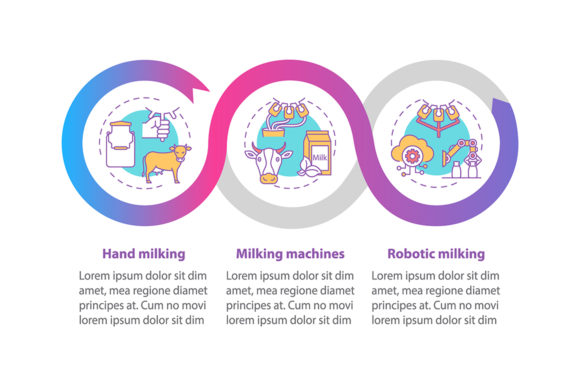
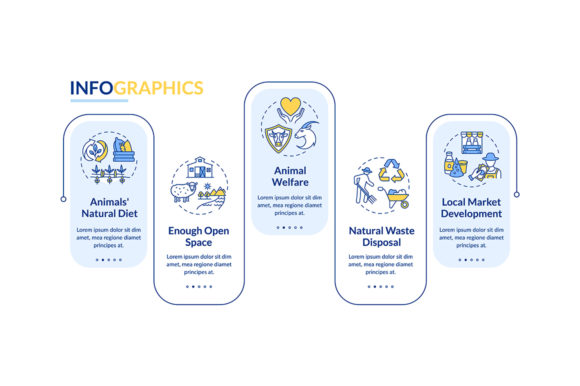
The Ethical Dairy Industry Production graphic exudes a sense of responsibility and care. Its use of linear icons and structured workflow layout suggests a methodical approach to farming and manufacturing, which aligns well with brands aiming to communicate ethical sourcing and quality assurance. Whether your business is a family-run dairy farm or a boutique selling locally sourced dairy products, this infographic can help you tell your story visually with clarity and purpose.
Its aesthetic leans toward modern yet warm, using soft colors and organic shapes that make it feel approachable without losing professionalism. This duality makes it ideal for both packaging accents and social media content where tone needs to be balanced between informative and inviting.
Real-World Applications for Small Business Branding
One of the strengths of the Ethical Dairy Industry Production graphic is its adaptability. Here’s how it can be used across various branding and promotional materials:
- Product Labels: Use the 5-step data visualization as a background element or border accent to reinforce the product’s journey from farm to shelf.
- Packaging Design: Integrate the timeline chart subtly into carton or jar designs to emphasize the craftsmanship behind each item.
- Hang Tags & Thank-You Cards: Add a touch of rustic charm by placing a simplified version of the infographic near key messaging like “Locally Sourced” or “Sustainably Made.”
- Menu Graphics or Price Lists: For coffee shops or restaurants offering dairy-based items, this graphic can serve as a decorative header that supports sourcing claims.
- Social Media Content: Share the full infographic as an Instagram post or Facebook carousel to educate followers about your supply chain while maintaining brand consistency.
- Website Banners: Feature the asset on landing pages dedicated to your values or product origins to build trust before visitors even read a word.
This design doesn’t just look good—it works hard to support your brand’s narrative and strengthen your visual hierarchy.
Supporting Brand Presentation and Customer Trust
For small businesses, especially those rooted in community and sustainability, visuals play a huge role in shaping perception. The Ethical Dairy Industry Production graphic can significantly enhance your brand presentation by doing the following:
- Creating a stronger first impression: The infographic immediately communicates your commitment to ethical practices, setting a positive tone for potential customers.
- Improving product recognition: Consistent use of this asset across labels and marketing helps customers identify your brand more easily.
- Clarifying visual hierarchy: The step-by-step layout naturally guides the viewer’s eye through your message, making complex processes easy to digest.
- Enhancing customer trust: When paired with clear messaging, the graphic reinforces transparency, which is essential for building loyalty in today’s conscious consumer market.
- Increasing shelf appeal: In a crowded market, this design can differentiate your product by adding an educational and premium visual element.
- Fostering emotional connection: The warm, earthy tones and thoughtful iconography evoke feelings of care and tradition, aligning well with local and handmade brands.
It’s not just about looking good; it’s about telling a story that resonates and builds long-term relationships with your audience.
Where This Infographic Shines Brightest
Some areas where the Ethical Dairy Industry Production graphic truly excels include:
- Hero graphics: It can serve as a central visual in brochures, websites, or flyers explaining your company's mission.
- Decorative brand elements: Used sparingly in logo backgrounds or as subtle textures in editorial design, it adds depth without overwhelming.
- Promotional banners: Especially for seasonal campaigns around farm-to-table themes or Earth Day promotions, this infographic fits perfectly.
- Printable inserts: Include a smaller version in your product packaging inserts to inform customers about your production ethics.
- Boutique visuals: Handmade and artisanal brands will appreciate how it complements their organic and personal brand aesthetics.
- Digital product presentations: If you’re creating online content for a new line of dairy products, this infographic provides a cohesive and modern backdrop.
Design Caution Zones
While the Ethical Dairy Industry Production graphic is powerful, there are situations where it might not be the best fit. Consider using it carefully in the following contexts:
- Formal corporate branding: The style is more suited to artisanal or mid-sized local businesses rather than large-scale corporations.
- Very small labels: The intricate details may get lost if used on tiny stickers or tags.
- Crowded product packaging: Avoid layering it over too many text elements or competing graphics to maintain readability.
- Ingredient-heavy layouts: Prioritize legibility for nutritional or legal information, and use the graphic as a supporting detail instead of a focal point.
- Low-contrast backgrounds: Test it on different color schemes to ensure it remains visible and impactful.
- Luxury minimalist brands: The detailed nature of the infographic may clash with ultra-clean design palettes.
Always evaluate whether the decoration enhances or distracts from your core message. Sometimes less is more.
Designer’s Checklist for Practical Implementation
Before incorporating the Ethical Dairy Industry Production graphic into any client project, here’s what I always check:
- Test on real packaging mockups: See how it looks when printed at scale versus digital preview.
- Check black and white usage: Many packages require grayscale versions for printing; confirm that the graphic still conveys meaning clearly.
- Preview on small labels: Zoom in to see if the icons remain legible and recognizable at reduced sizes.
- Test with brand colors: Overlay the design onto your client’s palette to ensure harmony and visibility.
- Compare with competitor packaging: Does it help your client stand out in a meaningful way?
- Review print quality: Confirm PNG resolution or SVG scalability depending on the medium.
- Inspect file types: If you plan to edit the design, SVG format offers better flexibility than static PNGs.
- Test beside font styles: Try pairing it with serif, sans-serif, script, and display fonts to find the right balance between design and typography.
- Confirm commercial licensing: Always verify that the asset allows for use in physical product sales, branding projects, and client work.
These steps help ensure the graphic is not only aesthetically aligned but also functionally effective in real-world applications.
Final Thoughts from a Brand Designer
The Ethical Dairy Industry Production graphic is more than just a pretty design—it’s a strategic tool for small businesses focused on sustainability, education, and transparency. From product packaging to website banners and social media posts, it has the potential to create a consistent and compelling brand identity that speaks directly to conscious consumers.
If you're designing for a local dairy shop, a farm-to-table café, or a small-batch yogurt brand, this infographic can be a game-changer. Just remember to use it thoughtfully and always test its performance in context. With the right application, it becomes a silent ambassador for your brand’s values, helping you stand out in a competitive market while staying true to your roots.