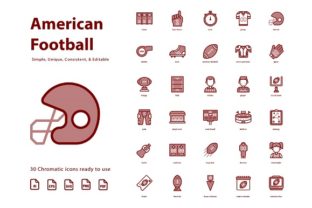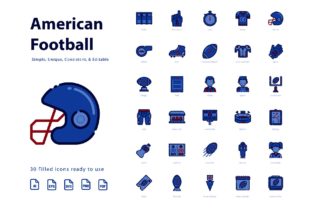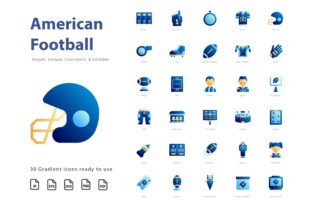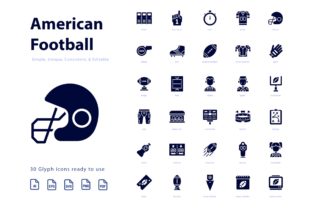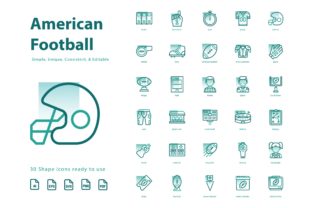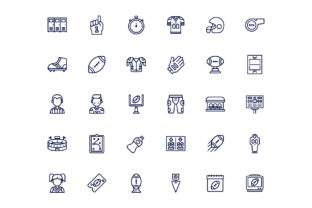
American Football Line Embroidery Design Review
As an embroidery designer who has reviewed countless digital embroidery files for both personal and commercial use, I always approach a new design with a mix of curiosity and caution. The American Football Line design caught my eye not just because of its theme but also due to the clean structure and thoughtful layout it promises. In this review, I’ll walk you through how it holds up in real-world applications, from tote bags to sweatshirts, and what you should consider before stitching it into your next project.
First Impressions: A Bold, Timeless Theme
The American Football Line brings a strong visual personality right out of the gate. It’s not just about sports; it’s a symbol of passion, pride, and tradition. As a machine embroidery design, it feels modern yet classic—perfect for someone looking to create a personalized gift or build a line of custom apparel with a nostalgic twist.
From a technical standpoint, the design appears to be well-organized, which is a big plus for anyone working with multiple layers or elements. The pixel-perfect detailing suggests that the lines and shapes are crisp and intentional. This kind of attention to detail is especially important when designing for items like embroidered patches or caps, where clarity is key.
Visual Mood and Project Fit
This design naturally fits into projects that require a bold statement. Think of it as a great addition to a college-themed sweatshirt, a team spirit apron, or even a festive holiday gift. Its structured layout makes it adaptable for different formats, whether you’re using it as a standalone graphic or integrating it into a larger composition of icons and graphics.
I found myself imagining it stitched onto a soft cotton sweatshirt, perhaps paired with some fill stitch accents to add depth. The clean lines would pop against lighter fabrics, making it ideal for creating handmade products that speak to a specific audience—like fans, parents, or those celebrating a milestone with a football motif.
Real-Life Application: Where Does It Shine?
- Custom Apparel: American Football Line works beautifully on t-shirts and sweatshirts, especially when used in conjunction with other themed icons. The design doesn’t overwhelm, but still delivers a strong visual presence.
- Tote Bags: For tote bag designs, the structured layout ensures that the final product looks professional and visually balanced. It’s perfect for Etsy sellers or small shop owners aiming to offer trendy, seasonal merchandise.
- Baby Clothes & Nursery Decor: While the design itself is sporty, it can be softened by adjusting thread colors and stitch types. I could see it as part of a baby item set, like a onesie or pillow cover, where it adds subtle charm without being too aggressive.
- Embroidered Patches: If you're planning to turn this into an embroidered patch, the neat layering and file organization make it easy to edit and resize without losing quality. Just ensure the hoop size is adequate for the smallest details.
- Commercial Use: With its organized icon and layer structure, American Football Line seems like a solid choice for digital embroidery files intended for resale or use in a craft business. It’s scalable enough to maintain professionalism across different product sizes and styles.
What Customers Might Expect
When customers purchase a finished product featuring this design, they likely expect something polished and recognizable. The football line imagery is instantly familiar, so it's a good fit for any handmade product where brand recognition and buyer engagement are important. You might find it particularly useful for boutique branding or small shop products that want to stand out without going overboard.
Its versatility allows for creative expression. You can pair it with other elements, like team names or motivational phrases, to enhance the message and increase the perceived value of the finished product. That said, it’s crucial to test how it interacts with these additional components before committing to production.
Where to Use with Caution
Despite its strengths, there are a few areas where the American Football Line design needs careful consideration:
- Small Hoop Sizes: Any intricate lines or corners may struggle if the hoop size is too tight. Always confirm recommended dimensions before starting your project.
- Textured or Stretchy Fabrics: Designs with fine lines can lose definition on fabrics like flannel or jersey. Consider using stabilizer and testing stitch density on a sample first.
- Dark Backgrounds: Thread color contrast becomes critical here. If you plan to use it on dark fabric, you may need to adjust the palette or use white threads for better visibility.
- Curved Surfaces (e.g., Caps): Because of the detailed nature of the lines, curved surfaces can distort the shape slightly. A mockup preview will help you assess how it translates in 3D form.
- Products That Require Frequent Washing: Dense stitch areas may cause wear over time. For long-lasting results, opt for durable materials and consider using all-purpose polyester threads.
Design Notes for Maximum Clarity
If you're planning to use this design in a variety of embroidery projects, take a moment to inspect the small details. Look at how the lines flow and how the spacing between them might affect the overall stitch clarity. When working with running stitch or satin stitch techniques, slight adjustments can go a long way in preventing gaps or puckering.
Also, test the design in black and white on different fabric backgrounds. Sometimes, the impact of a design isn’t fully clear until you remove the color variables. This step helps ensure that the design remains legible and visually appealing regardless of the thread choices or fabric texture.
Practical Tips for Embroidery Designers and Crafters
Here are a few things I’ve learned from years of working with digital embroidery files—and why I think every craft business owner, hobbyist, or Etsy seller should keep them in mind:
- Test First: Always try the design on scrap fabric before moving to the final product. This gives you a chance to tweak stitch settings and check for potential issues.
- Review Stitch Density: Especially in fill stitch areas, too much or too little density can affect the look and durability of the final piece.
- Confirm Hoop Size: If the product description doesn’t specify, double-check the required hoop size for your machine. This is essential for avoiding distortion and ensuring proper coverage.
- Inspect Tiny Lettering or Corners: These can easily get lost in translation during stitching. Make sure they’re clearly defined in the original file and work well with your machine’s capabilities.
- Use Proper Stabilizer: Whether you're working with a tote bag or a delicate baby item, the right stabilizer can prevent shifting and improve stitch quality.
- Check Licensing Before Selling: Since this is a digital embroidery file, confirm whether it’s licensed for commercial use. Many designers sell for personal use only, so it’s important to know your rights before listing it as part of your craft business offerings.
Thread Colors and Fabric Texture
One thing I noticed while reviewing the design was the importance of thread color selection. The default palette may work well on light-colored fabrics, but for darker or textured materials, you might need to switch to contrasting tones. For example, using bright red and navy blue threads on a gray hoodie could give it a dramatic effect, whereas muted tones might suit a vintage-style tote bag better.
Fabric texture also plays a role. On a smooth cotton blend, the design stitches cleanly and maintains its sharpness. However, on thicker or coarser materials like canvas or denim, the lines might appear heavier or less refined. Keep this in mind when choosing the final product for your handmade shop or personalized gift collection.
Final Thoughts for Creative Entrepreneurs
In the world of embroidery, a design like American Football Line offers more than just aesthetics—it provides a foundation for building trust with customers. When done right, it elevates the presentation of your handmade product and aligns with the expectations of buyers seeking something unique yet familiar.
Whether you're creating a batch of custom sweatshirts for a local event or adding a touch of sporty flair to your Etsy listings, this design has the potential to become a staple in your repertoire. Just remember to tailor it to your specific project needs and test thoroughly before scaling up.
For hobbyists and makers, it’s a fun and expressive option. For professionals, it’s a reliable design asset that can be integrated into a broader range of icons and graphics to support your branding or seasonal collections. Either way, it’s a design worth considering—but only after you've taken the time to understand its strengths and limitations.